Alpine Paths Where Craft Becomes a Journey

Today we set out on Hands-On Journeys: Craft Trails and Retreat Workshops Across the Alps, inviting you to learn directly from makers while moving between valleys by train, footpath, and funicular. Expect flour-dusted bakeries before sunrise, chisels ringing in wooden barns, steaming dye pots beside glacial rivers, and evenings around long tables where stories stretch later than the stars. Pack curiosity, patience, and a notebook; return with skills, friendships, and objects carrying the scent of resin, lanolin, and mountain thyme.

Mapping High-Altitude Maker Routes

Plot a path that links small workshops with generous daylight, reliable connections, and unhurried meals. Study regional rail passes, village market calendars, and seasonal closures, then stitch together a route that honors mountain weather and maker rhythms. Let valleys guide your pace, not algorithms; trust conversations, parish noticeboards, and the way bell towers divide morning from afternoon.

Choosing Regions and Seasons Wisely

Late spring reveals open passes, full rivers, and studios shaking off winter dust; autumn offers quiet benches, larch forests turning copper, and generous mentorship. Consider the Valais for cheese, the Dolomites for carving, Tyrol for felt, and Vorarlberg for textiles. Check harvest dates, alpine transhumance, and local festivals so your arrival feels like part of the village day.

Travel Modes: Rails, Boots, and Valley Buses

Thread your days with panoramic trains, postbuses that hum along cliff roads, and footpaths dropping into hamlets where smoke curls from tiny chimneys. A Swiss Travel Pass or regional cards can simplify hops between workshops. Keep boots ready for the last kilometer, because memorable studios often hide behind apple terraces or at the end of a wooden bridge.

Materials Shaped by Stone, Snow, and Sun

Alpine crafts begin with landscapes: conifer forests, high pastures, limewashed barns, glacial water, and herbs that hoard sunshine. Wood dries differently at altitude; wool felts tighter in cold air; dyes behave strangely under shifting pressure. Makers learn by listening to seasons, reading knots in larch, smelling curds, and watching a cloud shadow move across the ridge like a clock.
Blacknose sheep parade through Valais lanes, bells chiming like laughter, while Tyrolean shepherds card fleeces that still whisper of thyme. You will wash, tease, and felt fibers into slippers or satchels, learning why lanolin softens hands and how humidity changes everything. Expect stories woven through every strand, from snowstorms survived to patterns born beside a stove.
In Val Gardena, chisels sing against limewood and maple, coaxing saints, masks, and spoons from blocks that smell of resin and rain. Grain direction becomes a compass; mistakes become motifs. Your hands learn pressure like music, guided by makers who judge edges by sound. Sawdust settles on boots, and suddenly a curl of wood feels like applause.

Retreat Days That Rewire Creativity

Retreats slow the clock: mornings begin with bell echoes, afternoons chase light across a bench, evenings taste like polenta crust and mountain cheese. Group energy matters, so facilitators balance technique drills with silence and tea. By day three, your grip softens, your breath lengthens, and your notebook fills with sketches, measurements, and suddenly obvious, profoundly personal questions.

People and Places Behind Every Object

Objects remember their makers. You will meet families whose surnames match street names, children who count stitches faster than calculators, and elders who sharpen knives by ear. Avalanche scars and festival flags share the same horizon. Each visit revises assumptions, reminding you that excellence grows in kitchens, sheds, and school halls, not only in gleaming galleries.

Travel Light, Tread Kindly

Sustainable choices protect fragile paths and livelihoods. Carry a mending kit, refill a bottle at village fountains, and choose regional hostels or family pensions. Buy fewer souvenirs, better made, and ship thoughtfully. Use public transit whenever possible, share taxis, and tip generously. Most of all, leave schedules elastic so conversations and serendipity can guide your craft learning.
A needle, waxed thread, and a tiny awl rescue straps and seams, keeping your attention on making, not replacing. Quick-dry layers handle rain and workshop grime; a bandana doubles as dye test, napkin, and sling. Give tools jobs in pairs, embrace patina, and celebrate scuffs that prove your route favored benches, barns, and mountain turf.
Handwork reflects decades of practice, material costs, taxes in remote valleys, and seasons when roads close. Asking for discounts erodes futures; asking for provenance builds trust. Pay deposits on time, accept waitlists, and purchase directly when possible. Your money anchors apprenticeships, repairs roofs, and funds experiments that keep heritage alive without freezing it in nostalgia.
Design days that begin with a ridge walk, drop into a forge, then glide home by evening rail. Quiet links reduce traffic, open landscapes, and keep your senses alert for birdsong and tannin scents. Use topo maps, weather apps, and station timetables in concert, then pad every connection because good conversations deserve unrushed goodbyes.

Design Your Own Craft-Focused Alpine Circuit
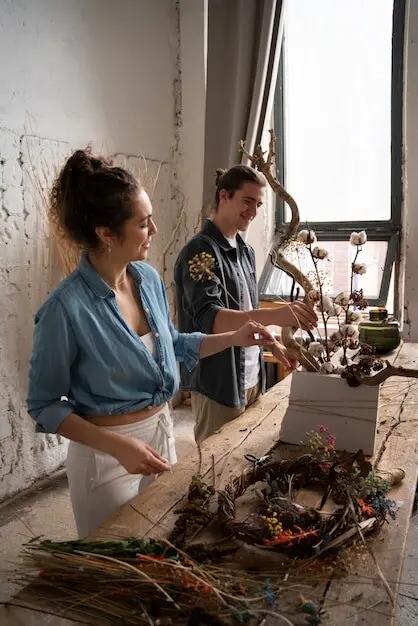
Start with one valley and one skill, then expand. Sketch distances you can savor, not conquer. Leave mornings for techniques, afternoons for practice, evenings for community tables. Keep a page for materials you loved, words you learned, and mentors to revisit. When ready, share your route with our readers so others can build thoughtfully upon it.
Sentotelilorikavisavi
Privacy Overview

This website uses cookies so that we can provide you with the best user experience possible. Cookie information is stored in your browser and performs functions such as recognising you when you return to our website and helping our team to understand which sections of the website you find most interesting and useful.